
Shared mobility: a two-speed Italy, with growing appetite for sharing among citizens but falling numbers of operators and vehicles
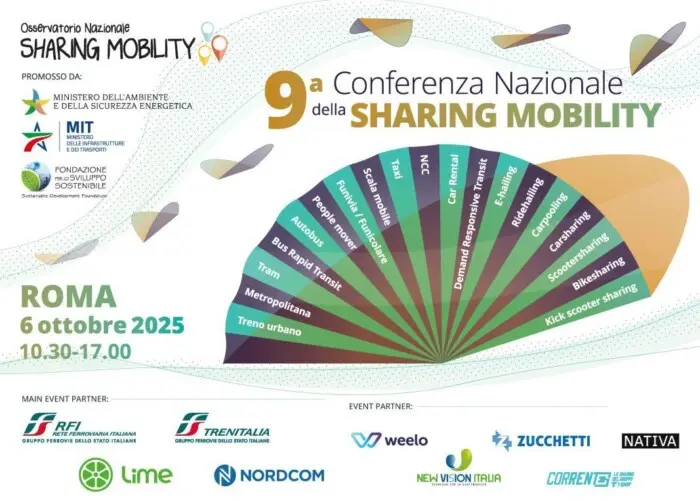
In a global context that is pushing towards the ecological transition, sustainable mobility in Italy is going through a moment of profound contradiction. This emerged during the latest conference of the Osservatorio Nazionale Sharing Mobility in Rome, the data from which is now at the heart of the strategy of Nordcom, a leading company in the development of digital solutions for transport and the local area. The numbers of the challenge The picture painted in Rome is clear: citizens' demand for shared mobility is steadily increasing, but supply is failing to keep pace. To date, only 13 million Italians have effective access to sharing services, with a worrying contraction in the number of operators and vehicles available, concentrated almost exclusively in large urban centres. The European comparison The gap with the major European capitals remains marked, but it also offers a view of our country's untapped potential:
- The case of Paris: The French capital's bike sharing service alone matches the numbers of the entire Italian national network.
- The Madrid model: The Spanish capital has managed to triple its shared services in a few years, showing that rapid growth is possible through targeted investment and technological integration.
Nordcom's vision: "fan-shaped" mobility To reverse course, Nordcom proposes a shift to "fan-shaped" mobility: a model capable of spreading the benefits of sharing beyond the boundaries of metropolitan areas, reaching less well-served areas and narrowing the gap with Europe. “We are committed to developing digital solutions that act as a glue between institutions, operators and citizens,” reads the Company's statement. “The data from Rome show both lights and shadows, but it is precisely from here that we must start to build a reality where shared mobility is not a privilege for a few, but an accessible, widespread and truly sustainable option.” The role of technology The future of mobility will inevitably depend on the integration of systems (MaaS - Mobility as a Service), simplifying access to services and making public and private transport a single, seamless digital ecosystem. Nordcom confirms its role as technological architect in this transition, with the aim of making travel an integrated, frictionless experience.